
The World Human Powered Speed Challenge (WHPSC) is an annual event held in Lander County, Nevada that showcases the incredible feats of human-powered vehicles. This event has been held since 2000 and attracts participants from all over the world to compete in the ultimate test of speed and endurance.
The competition takes place on State Route 305, a straight and flat road that stretches for 8 miles. The goal of the event is to set new world records for the fastest human-powered vehicles. To do this, participants use a variety of innovative designs and cutting-edge technology to push the limits of human speed.
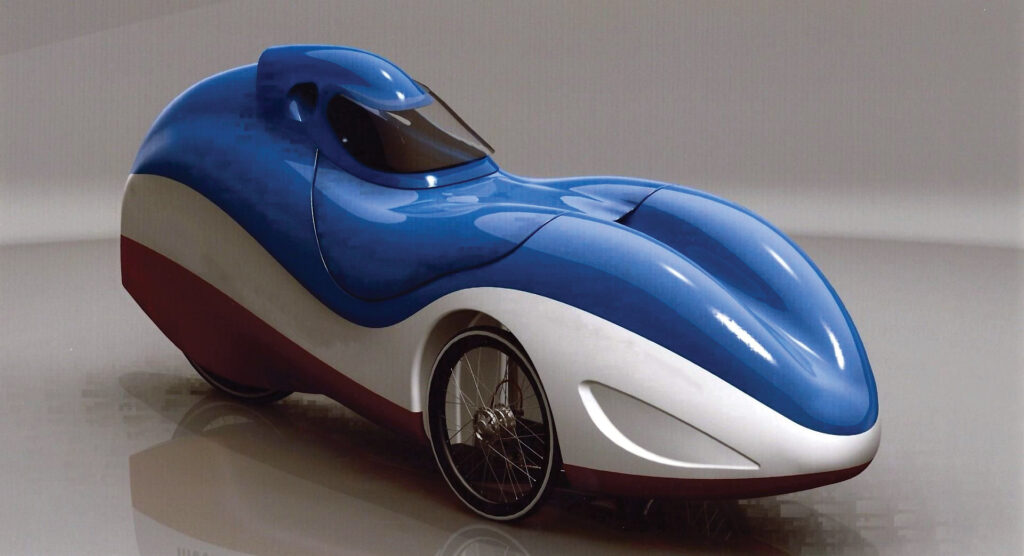
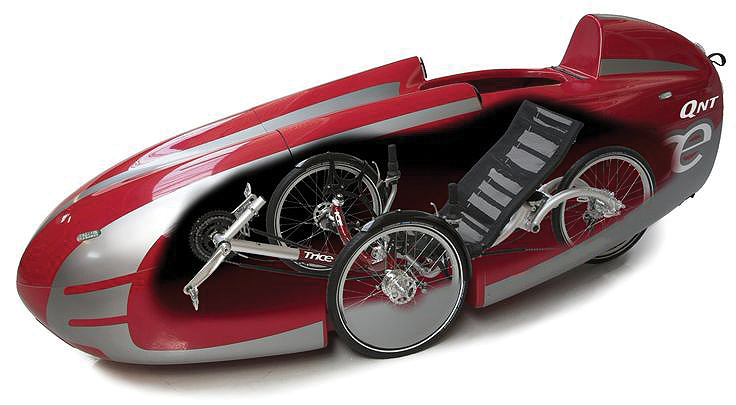
The vehicles used in the WHPSC are unlike any other. These are not your typical bicycles, but rather highly specialized and aerodynamic machines built specifically for speed. Some of the designs include recumbent bikes, streamlined trikes, and even vehicles that resemble rockets on wheels. These vehicles are powered solely by the strength and endurance of the riders, making it a true test of human capability.
The event draws in teams from all over the world, with past participants coming from countries such as Canada, the United States, Germany, and the Netherlands. Each team brings their unique design and strategy to the competition, making for an exciting and diverse event.
The WHPSC is not only a competition, but also a showcase of human ingenuity and innovation. Participants spend months, and even years, designing and building their vehicles. Every detail is crucial, from the shape and material of the vehicle to the position and technique of the rider. The goal is to minimize air resistance and maximize speed, and every team has their own approach to achieving this.
The competition is divided into different categories based on the type of vehicle and the number of riders. The solo category is for single riders, while the multi-rider category allows for up to four people to pedal together. There is also a women’s category, which was added in 2015 to encourage female participation in the event.
The WHPSC is not just about setting new records, it is also a platform for research and development. Many universities and engineering teams use this event as an opportunity to test and improve their designs. The event has even seen the participation of high school and middle school teams, providing a unique learning experience for young minds interested in engineering and design.
The event is not without its challenges. The desert climate of Lander County can be harsh, with high winds and extreme temperatures. Participants must also undergo rigorous safety checks before being allowed to race. These measures ensure the safety of the riders and promote fair competition.
The WHPSC not only brings together participants from all over the world, but it also attracts a large audience of spectators. People come from all over to witness the incredible speed and skill of the riders. The event has gained popularity over the years, with media coverage and live streaming allowing people from all over the world to experience the excitement.
The World Human Powered Speed Challenge in Lander County, Nevada is a one-of-a-kind event that celebrates human achievement and pushes the boundaries of speed and technology. It brings together a diverse group of individuals who share a passion for innovation and a drive to push the limits of what is possible. The event continues to grow and evolve, and it is sure to inspire and amaze for years to come.
FUN FACTS ABOUT THE WHPSC:
Racers from more than 14 different nations are warmly received by the WHPSC, a competition viewed by millions of spectators worldwide. The 4,619 ft (1408 m) high track offers riders a stretch of over 4 miles for acceleration, enabling motorcycles to achieve their highest speed prior to being clocked over a span of 200 meters.
To grasp these motorcycles, the one parked in your garage should be disregarded. Primarily, these vehicles are laid-back recumbents, featuring pedals and gears positioned far ahead. Riders are snugly lodged within fiberglass or other composite shells matching the width of their shoulders. In order to maintain optimal aerodynamic efficiency and low height, certain designs do away with windshields.
Control of the vehicle is executed through observing a TV screen similar in size to a recipe card. The handlebars are sufficiently broad to accommodate two hands, hosting compact mechanisms for managing gears and brakes. Riders are securely fastened inside the aerodynamic capsules using tape. Fairings envelop the rider and almost the entirety of the bike tires, typically with a slit for a breathing apparatus and a small opening for the camera lens.
For more information on the next scheduled World Human Powered Speed Challenge (WHPSC), please visit: https://LanderCountyTourism.com/whpsc.